
In the dynamic world of agriculture, maximizing crop yield and quality hinges on more than just the primary nutrients like Nitrogen, Phosphorus, and Potassium (NPK). A growing body of research highlights the crucial, often overlooked, role of micronutrients—minerals required in smaller, trace amounts—and the superior delivery system offered by EDTA chelation.
What are EDTA Micronutrients?
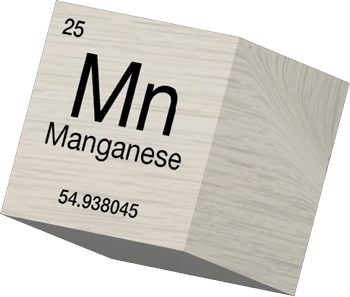
Micronutrients, which include metal ions like Zinc (Zn), Manganese (Mn), Copper (Cu), Nickel (Ni), and Cobalt (Co), are vital for key plant functions, such as photosynthesis, enzyme activation, and overall metabolic health. However, in many soil types, particularly those that are alkaline or high in Phosphorus, these essential metal ions can become “locked up” or fixed by the soil. This process, known as precipitation, makes them chemically unavailable for plants to absorb through their roots, leading to deficiency symptoms and reduced growth. This is where EDTA (Ethylenediaminetetraacetic acid) plays its part. EDTA is a powerful chelating agent—a molecule that forms a cage-like structure around the metal micronutrient.
Chelation: The process of surrounding a metal ion with a chemical structure (the ligand) to form a stable, soluble complex. The resulting EDTA-chelated micronutrient remains soluble and protected within the soil solution. This ensures that the micronutrient stays in a plant-available form, allowing the plant to readily absorb it, even in challenging soil conditions where standard micronutrient salts would quickly become unavailable.
The use of EDTA chelated micronutrients translates into several significant advantages for crop health and farmer profitability:
For commercial growers looking to optimize their fertility programs, incorporating high-quality EDTA micronutrients is becoming a standard practice. They offer a precise, efficient, and cost-effective way to ensure crops have access to every essential element they need, paving the way for a more productive and sustainable future in farming.